Choosing reliable Septum Straightening Forceps suppliers requires more than comparing catalog photographs or unit prices. Surgeons need instruments that feel balanced, grip cartilage securely, and remain predictable during delicate septal work. A poorly finished jaw may catch gloves, damage tissue, or create unnecessary fatigue during a long procedure. Small details matter.
Dr. Rollin K. Daniel, a respected rhinoplasty surgeon, has stated, “The goal of septoplasty is to improve nasal function, not simply to straighten the septum.” This principle gives the supplier comparison a practical foundation. The best manufacturers support surgical judgment rather than merely selling polished metal. Their forceps should offer controlled pressure, accurate alignment, smooth joints, and dependable sterilization performance. Material traceability also matters. So does responsive technical support.
This guide examines the Top 10 Septum Straightening Forceps Suppliers through those clinical and manufacturing lenses. It considers product consistency, surgeon feedback, customization options, quality documentation, and distribution reliability. A strong supplier should explain its steel grade, surface treatment, jaw design, and inspection process. Vague claims deserve caution.
No ranking is perfect. Purchasing teams may value price, while surgeons may prioritize tactile control. Hospitals also face different regional requirements and service expectations. That tension is worth acknowledging. The most expensive instrument is not automatically the best choice. Conversely, a low quotation can conceal replacement costs, inconsistent tolerances, or delayed support. Readers should verify current specifications, request samples when possible, and compare real handling before making a final decision.
What Are Septum Straightening Forceps and Their Clinical Uses?
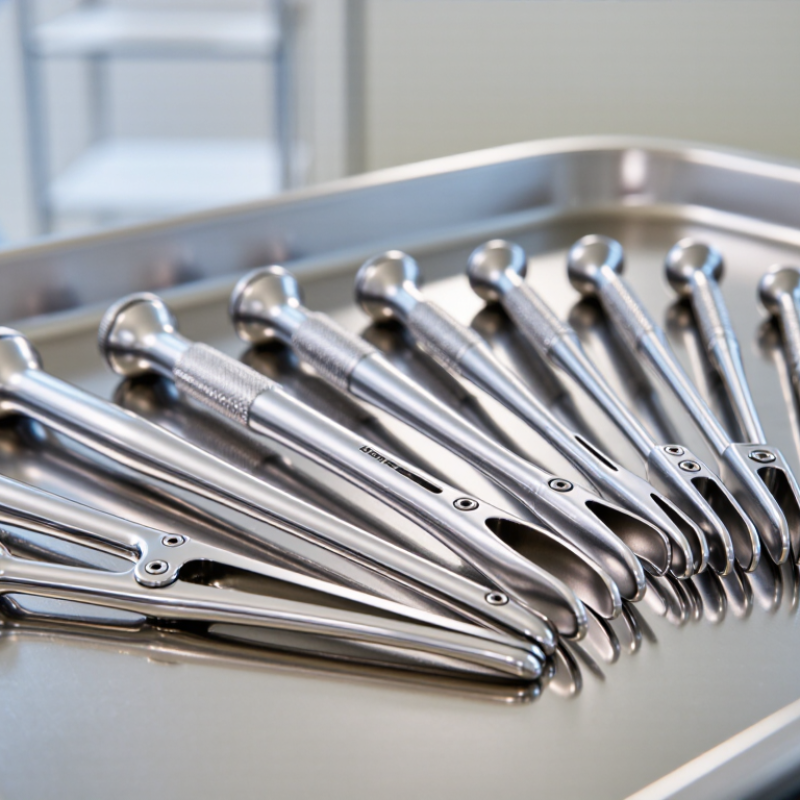
Septum straightening forceps are specialized ENT instruments used during septoplasty and related nasal procedures. Their narrow, angled jaws help surgeons grasp, stabilize, and reposition deviated septal cartilage or small bony segments. Some designs provide firm traction, while others reduce tissue compression through finer, less aggressive jaws.
Clinical use requires controlled handling. A surgeon may use the forceps to expose a curved cartilage edge, support a septal flap, or guide a prepared graft into position. Direct visualization remains essential. Excessive pressure can tear mucosa, crush cartilage, or create unnecessary bleeding. They are not magic tools. The final correction depends on anatomy, surgical judgment, and overall technique.
For hospitals comparing the top ten suppliers, product quality matters more than catalogue appearance. Look for corrosion-resistant surgical steel, accurate jaw alignment, smooth hinges, and compatibility with validated sterilization cycles. Clear instructions, batch traceability, inspection records, and responsive technical support also indicate a reliable supplier. Small details count. However, supplier documents cannot replace hands-on assessment. A forceps may feel precise in one surgeon’s hand but awkward in another’s, so practical evaluation deserves more attention than marketing claims. Personally, I would also question instruments that close unevenly or require excessive grip strength.
How to Evaluate Septum Straightening Forceps Suppliers
Choosing among the top ten septum straightening forceps suppliers requires more than comparing catalog prices.
Examine the supplier’s manufacturing experience, quality controls, and technical documentation. Ask whether each instrument is made from surgical-grade stainless steel with a verified material certificate. Check jaw alignment, hinge movement, surface finish, and handle comfort. Small defects can affect control during delicate procedures.
Request clear inspection records and batch traceability. A reliable supplier should explain cleaning, disinfection, sterilization, and storage requirements. Their instructions must be practical, not copied from a generic sheet. Review quality certifications, regulatory documentation, warranty terms, and complaint-handling procedures. Confirm that replacement parts and service support remain available after purchase. Slow replies matter.
Use samples before placing a larger order.
Test the forceps with a qualified clinical or technical team, following approved procedures. Measure grip consistency and inspect the tips under magnification. Ask for evidence of production consistency across different batches. A low price may hide uneven finishing or weak after-sales support. That risk deserves attention.
Build a scorecard for all ten candidates. Give separate scores for quality, documentation, delivery reliability, customization, communication, and total cost. Do not overvalue attractive packaging. In practice, supplier claims sometimes sound stronger than the evidence. Recheck certificates, sample results, and references from legitimate healthcare customers. A careful evaluation may take longer, but it supports safer procurement and more dependable instrument performance.
Top 10 Septum Straightening Forceps Suppliers
The top 10 septum straightening forceps suppliers should be judged by more than price. A reliable supplier provides surgical-grade stainless steel, precise alignment, and consistent jaw movement. The strongest options include specialist instrument manufacturers, certified medical distributors, custom surgical tool makers, hospital procurement suppliers, and established OEM factories. Other useful choices are regional instrument workshops, precision-machining companies, sterile-packaging suppliers, surgical education vendors, and traceable online medical wholesalers.
Each supplier should provide material details, dimensional drawings, inspection records, and clear cleaning guidance. Check the forceps under bright light. The jaws should meet evenly without a visible gap. Handles must move smoothly, without rough spots or excessive looseness.
A secure grip matters during delicate nasal procedures. It is also wise to request a sample before placing a large order. Catalog photographs can hide small defects.
Experience changes the buying decision. A supplier familiar with septal instruments may understand atraumatic tips, balanced tension, and repeated sterilization. Ask about production tolerances and replacement policies. Confirm that documentation matches the destination’s medical-device requirements. Do not assume a low price means poor quality, but do not treat a polished website as proof. My ranking would remain provisional because supplier performance can vary between batches. Feedback from surgeons and sterile-processing staff often reveals problems that specifications miss.
Key Product and Quality Differences Among Leading Suppliers
Top 10 Septum Straightening Forceps Suppliers: Key Product and Quality Differences
Comparing the top ten suppliers requires more than checking catalog photos. Septum straightening forceps differ in jaw alignment, tip thickness, handle balance, and ratchet control. High-quality instruments usually use corrosion-resistant surgical steel with a consistent satin finish. Their jaws should close evenly without scraping or leaving visible gaps. Small differences matter. A poorly balanced handle can increase hand fatigue during delicate procedures.
Supplier quality also appears in less obvious details. Reliable manufacturers provide material certificates, inspection records, batch traceability, and clear cleaning guidance. Some offer multiple jaw profiles for different anatomical needs. Others focus on standard models and faster delivery. Packaging should protect the tips from impact and moisture. Custom engraving, sample approval, and replacement support may separate a dependable supplier from a low-cost seller. However, a polished website proves little. I have seen attractive instruments with stiff ratchets and uneven tips. That remains an important warning.
Tips: Request samples from several suppliers before placing a large order. Test jaw alignment under light pressure. Check whether the ratchet releases smoothly. Ask for measurable tolerances, not vague quality promises. Compare steel documentation, packaging, lead time, and after-sales response. Keep evaluation notes with photographs. A second reviewer may notice problems you missed. Supplier rankings can change as production systems improve, so review evidence regularly.
How to Select the Right Supplier for Your Surgical Needs
Top 10 Septum Straightening Forceps Suppliers?
Selecting the right supplier requires more than comparing prices or browsing polished websites. Surgical teams should examine forceps geometry, jaw alignment, handle comfort, and resistance to repeated sterilization. Ask for material specifications, inspection records, and clear instructions for use. Small differences matter during delicate septal work.
Supplier reliability should be tested through documentation and direct communication. Request samples when possible, then inspect the hinge, serration pattern, and closing pressure under realistic conditions. Check whether each instrument has traceable lot information and consistent quality controls. A dependable supplier should explain manufacturing tolerances without vague promises. They should also provide responsive technical support and a practical process for reporting defects.
Look beyond the first quotation. It can mislead. Review delivery performance, replacement policies, packaging quality, and inventory stability. A supplier may offer excellent instruments but struggle with urgent orders. That weakness affects operating-room planning. Another common mistake is accepting a familiar design without asking whether it suits the surgeon’s technique. Gather feedback from surgeons, nurses, and sterilization staff before approving a purchase. Their observations may reveal slipping handles, difficult cleaning, or unexpected hand fatigue. Supplier audits are useful, but they are not perfect. Records can look complete while real-world consistency remains uncertain. Continue reviewing performance after adoption, including instrument wear, repair frequency, and user complaints.
How to Select the Right Septum Straightening Forceps Supplier
The chart presents a practical 100-point procurement framework for comparing suppliers of septum straightening forceps. Regulatory documentation, traceability, sterilization compatibility, and quality control receive the highest weighting because they directly affect surgical safety and instrument reliability.
Evaluation dimensions include commonly used medical-device purchasing requirements such as documentation, material traceability, reprocessing support, dimensional consistency, delivery performance, and after-sales service.
Conclusion
Septum Straightening Forceps are specialized surgical instruments designed to grasp, stabilize, and gently reposition septal tissue during nasal procedures. Their clinical use requires precise handling, controlled pressure, ergonomic design, and compatibility with the intended surgical technique. This overview explains how to assess suppliers by examining material quality, manufacturing consistency, dimensional accuracy, sterilization compatibility, product documentation, customization options, and after-sales support.
It also presents a practical comparison framework for identifying leading suppliers without focusing on brand names. Key differences may include jaw configuration, surface finish, locking performance, corrosion resistance, production standards, inspection procedures, and delivery reliability. Selecting the right supplier depends on the surgical setting, instrument specifications, expected frequency of use, budget, and quality assurance requirements. By comparing samples, certifications, technical details, and service capabilities, medical purchasing teams can choose dependable Septum Straightening Forceps that support safe, efficient, and consistent surgical performance.

