Technical specifications, care & sterilization protocols, and manufacturing insights from our Sialkot facility.
In-depth articles covering German-grade steel grades, DIN compliance, and CE regulatory standards.
Professional insights for surgeons, dentists, and medical procurement specialists worldwide.
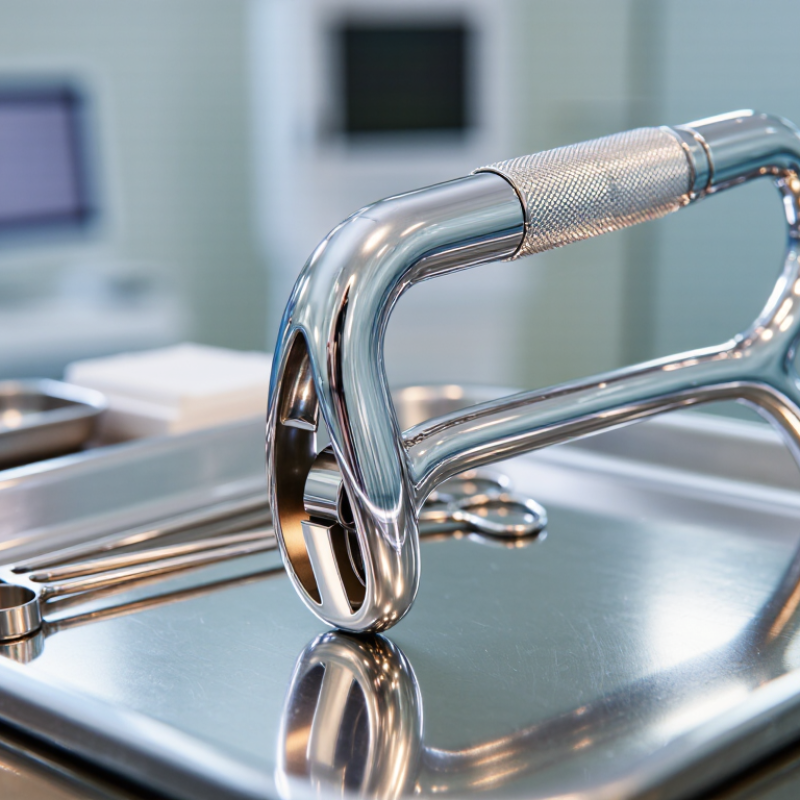
Choosing a China-based manufacturer for the AGRIS-DINGMAN Breast Dissector requires more than comparing prices or polished product images. This instrument supports delicate breast dissection, where controlled handling, balanced weight, and dependable edge performance matter. A professional supplier should explain its manufacturing process, material selection, surface finishing, and inspection procedures clearly. Details matter. The handle should feel stable in a gloved hand, while the working end should support accurate tissue separation without unnecessary force.
A reliable manufacturer can also provide traceable documentation, consistent batch control, and practical support for hospitals, distributors, and surgical training centers. Buyers should review product specifications, quality certificates, sterilization guidance, packaging conditions, and after-sales communication before making a decision. Independent verification remains important, especially when a company describes itself as a “top” manufacturer. Marketing language is not proof. Direct factory communication, sample evaluation, and feedback from experienced medical professionals can reveal useful differences.
The AGRIS-DINGMAN Breast Dissector should be assessed for real clinical usability, not appearance alone. Minor design issues may become noticeable during long procedures. That point is easy to overlook. China has many surgical instrument manufacturers, yet their technical capabilities and quality systems vary considerably. A responsible comparison should therefore consider documented expertise, production consistency, regulatory compliance in the target market, and the manufacturer’s willingness to acknowledge limitations. No supplier is perfect. Careful evaluation helps buyers identify a dependable partner and select an instrument that supports precision, safety, and professional surgical practice.
A breast dissector is a specialized surgical instrument used to separate breast tissue with controlled pressure. Surgeons may use it during breast-conserving procedures, reconstruction, or implant-pocket preparation. Its working end is usually smooth, curved, or gently tapered. This shape helps develop tissue planes while limiting unnecessary tearing.
In practical use, the surgeon guides the instrument through a small operative field. The handle should provide a steady grip, even when gloves are wet. A balanced shaft can improve control around delicate vessels and soft tissue. Some designs include a wider blade for spreading tissue. Others use a narrower tip for precise dissection. The correct choice depends on anatomy, surgical access, and personal technique.
Material quality matters. Medical-grade stainless steel should resist corrosion and tolerate repeated cleaning cycles. Edges must remain properly finished, without rough spots or visible dents. A useful inspection includes checking the tip, shaft alignment, handle texture, and joint movement. This step is easy to overlook. It should not be.
No single dissector fits every breast procedure. A curved model may improve access in one patient but feel awkward in another. Product descriptions can also sound more certain than clinical reality. Hospitals should confirm compatibility with their sterilization process and follow professional training, local regulations, and the manufacturer’s instructions. Selection should reflect surgical evidence and hands-on experience, not appearance alone.
A practical reference table for understanding breast dissection instruments and evaluating suitable surgical-instrument suppliers.
| Data Dimension | Typical Information | Clinical or Purchasing Relevance |
|---|---|---|
| Instrument Category | Manual surgical dissection instrument used in breast and soft-tissue procedures. | It is designed for controlled tissue separation, exposure, and development of surgical planes. |
| Common Applications | Breast-conserving surgery, mastectomy, reconstruction, implant-pocket preparation, and general soft-tissue dissection. | The correct pattern should be selected according to the surgical approach, tissue depth, and required level of tissue control. |
| Working End | Usually a broad, flat, curved, or slightly angled blade or spatula-like end with a smooth or rounded edge. | A blunt or atraumatic profile helps separate tissue planes while reducing the risk of unnecessary cutting or puncture. |
| Handle Design | Common designs include a straight shaft with a flat, round, or ergonomic handle; some versions have a finger-ring or palm-grip configuration. | Handle geometry influences balance, grip security, visibility, and the amount of force transmitted to the working end. |
| Material | Reusable models are commonly manufactured from corrosion-resistant surgical stainless steel suitable for medical instruments. | Material documentation should confirm corrosion resistance, mechanical strength, surface finish, and compatibility with the intended cleaning process. |
| Typical Overall Length | Length is model-dependent; many handheld breast and soft-tissue dissectors are approximately 15–25 cm overall. | Shorter instruments provide close control, while longer instruments may improve access to deeper or less accessible operative sites. |
| Tip Configuration | Available configurations may include blunt, rounded, curved, angled, narrow, or broad tips. | Tip shape affects exposure, tissue-plane development, access around anatomical structures, and the precision of dissection. |
| Surface Finish | Typical finishes include smooth satin, matte, or polished surfaces with rounded transitions and minimal surface irregularities. | A consistent finish supports visual inspection, cleaning, corrosion resistance, and reduced tissue drag. |
| Reusable or Single-Use | Many metal breast dissectors are reusable; single-use versions may also be available depending on the product design. | Reusable instruments require validated cleaning, inspection, packaging, sterilization, and maintenance procedures. |
| Supply Condition | Reusable instruments are commonly supplied non-sterile unless the product documentation specifically states otherwise. | The hospital or healthcare facility must follow its approved decontamination and sterilization workflow before clinical use. |
| Sterilization Compatibility | Stainless-steel reusable instruments are commonly processed using steam sterilization when permitted by the manufacturer’s instructions for use. | Time, temperature, pressure, drying, and packaging requirements must be verified in the instrument’s validated processing instructions. |
| Quality Inspection Points | Check tip alignment, edge or surface smoothness, handle security, shaft straightness, corrosion, scratches, burrs, and operating comfort. | Inspection helps identify instruments that could impair dissection accuracy, damage tissue, or compromise cleaning and sterilization. |
| Relevant Documentation | Product specification, material declaration, inspection record, cleaning instructions, sterilization instructions, and applicable regulatory documentation. | Complete documentation supports hospital approval, traceability, procurement review, and safe use. |
| Supplier Evaluation Criteria | Assess dimensional consistency, material traceability, production quality control, surface finishing, packaging, order flexibility, and after-sales support. | A reliable supplier should provide repeatable product quality and clear technical documents rather than relying only on catalog images. |
| Selection Limitation | No single breast dissector design is suitable for every procedure or surgeon preference. | Final selection should be made by qualified clinical personnel based on the operative technique, anatomy, institutional protocol, and manufacturer instructions. |
Note: Dimensions, tip geometry, materials, and sterilization instructions vary by model. Always confirm the current product specification and instructions for use before procurement or clinical application.
A breast dissector should make tissue separation controlled, visible, and gentle. Its rounded working ends reduce snagging around glandular tissue and fascial layers. A slim profile helps surgeons work through small incisions without excessive retraction. Balance matters. A heavy handle can fatigue the wrist during long procedures.
Reliable instruments usually use corrosion-resistant surgical steel and tolerate validated steam sterilization. The World Health Organization’s Global Guidelines for Safe Surgery stress standardized instrument processing and clear operating-room practices. ISO 17664-1 also requires manufacturers to provide usable cleaning and sterilization instructions. In practice, deep joints and narrow grooves deserve attention. They can retain biological soil. This is easy to overlook.
During breast-conserving surgery, surgeons may use a dissector for controlled plane development and tissue mobilization. In reconstructive procedures, the same geometry can assist pocket preparation and soft-tissue separation. A blunt edge is preferable near delicate vessels, while a subtly defined tip can improve tactile feedback. The Lancet Commission estimated about 313 million operations occur worldwide each year, showing the scale of demand for dependable surgical instruments. Yet surgical volume alone does not prove quality. Ergonomic testing, repeated reprocessing, and surgeon feedback remain essential. I would question any design judged only by polished appearance. Real use is less tidy. Surface scratches, grip slippage, and cleaning time can change performance.
The chart presents an evidence-informed qualitative relevance score from 1 to 5 for common breast surgery applications. Breast dissection instruments are used for controlled tissue separation, flap elevation, cavity preparation, and access to lymphatic or axillary structures. Scores indicate typical procedural relevance, not market share or clinical outcomes.
China-based manufacturers produce breast dissectors through controlled material selection, precision machining, and repeated inspection. Surgical-grade stainless steel is commonly chosen for corrosion resistance and tissue-handling strength. Production usually begins with forged or cut blanks. CNC machining then forms the handle, shaft, and working tip. Skilled technicians refine edges by hand. This step prevents rough surfaces that could damage tissue or trap contaminants.
Grand View Research valued the global surgical instruments market at approximately USD 14.7 billion in 2023. Its report also identifies rising hospital investment and surgical procedure volumes as major growth factors. ISO’s 2023 survey recorded more than 31,000 ISO 13485 certificates worldwide. This figure shows why documented quality systems matter. Reliable factories maintain batch records, dimensional checks, surface inspections, and traceable material certificates. However, polished appearance alone proves little. A supplier should provide test methods, not only attractive photographs. Some workshops still rely heavily on manual inspection, which can create inconsistent tip alignment.
Tips: Request material certificates, tolerance reports, and sample inspection records. Check jaw symmetry under magnification. Ask how passivation and cleaning are verified. Small details matter. Also review packaging trials, because sharp tips can shift during transport. A practical audit should include production samples, not just documents. My own caution is simple: stated capacity may exceed real quality consistency. Verify it before approval.
Breast dissector manufacturing demands more than polished stainless steel. Each instrument should support controlled tissue separation, steady handling, and reliable cleaning. Manufacturers should select surgical-grade materials with documented composition and corrosion resistance. Surface passivation can reduce contamination risks. However, passivation alone does not guarantee performance.
Experienced quality teams inspect the blade edge, working length, joint movement, and handle balance. Measurements should follow approved drawings and calibrated tools. Production records must support material traceability, batch control, and corrective action. An ISO 13485-based quality system can strengthen consistency when properly implemented. Paperwork is not proof by itself. Real inspection matters.
Tips: Check for burrs under magnification. Test the instrument after repeated cleaning cycles. Confirm smooth movement without excessive looseness. Packaging should protect the tip and preserve identification labels. Staff feedback also matters, especially when surgeons report hand fatigue or poor visibility. No inspection system is perfect. A missed surface mark can reveal a weak control step, so manufacturers should review complaints honestly and adjust processes. Small details often decide whether a breast dissector feels dependable in practice.
How to Evaluate a Reliable Chinese AGRIS DINGMAN Breast Dissector Supplier
A reliable supplier should prove more than a competitive quotation. The global surgical instruments market was valued at about USD 14.5 billion in 2023, according to Fortune Business Insights. This growth attracts capable factories and weak resellers. A polished catalog is not proof. Ask for the factory address, production photos, inspection flow, and export history. Confirm whether the supplier manufactures the breast dissector or simply trades it.
Technical evidence matters. Request material certificates for stainless steel, preferably showing the exact grade and heat number. Check jaw alignment, cutting edges, handle balance, surface finish, and corrosion resistance. Ask for dimensional drawings with tolerances. The supplier should provide sample inspection records, sterilization compatibility data, and lot traceability. ISO 13485 is useful, but certification alone cannot replace an onsite or remote audit. The 2023 ISO Survey recorded tens of thousands of certified medical-device organizations worldwide, so certificates must be verified through the issuing body.
A practical sample test should include repeated opening, closing, cleaning, and visual inspection under bright light. Look for rough joints, uneven teeth, or stains near the hinge. Request a clear response time for complaints and replacement parts. One detail is often missed: packaging can damage a precise instrument before surgery. Strong suppliers use protective sleeves, moisture control, and readable lot labels. I would also compare three samples, not one. One perfect sample proves little. Supplier evaluation is never completely neat; even experienced buyers can overvalue fast replies and attractive prices.
It separates breast tissue with controlled pressure. Surgeons may use it during tissue-conserving procedures, reconstruction, or pocket preparation.
It is often smooth, curved, rounded, or gently tapered. These shapes help develop tissue planes and reduce unnecessary tearing.
Choice depends on anatomy, surgical access, and personal technique. A wider blade spreads tissue. A narrow tip supports precise dissection.
The handle should provide a steady grip, even with wet gloves. Good balance can reduce wrist fatigue during longer procedures.
Medical-grade stainless steel is commonly preferred. It should resist corrosion and tolerate validated cleaning and sterilization cycles.
Check the tip, shaft alignment, handle texture, and joint movement. Look for burrs, dents, rough spots, or unusual looseness.
Deep joints and narrow grooves can retain biological soil. Staff should follow validated processing instructions and inspect difficult areas carefully.
No. Appearance can mislead. Repeated cleaning, grip slippage, visibility, and surgeon feedback reveal more about real performance.
No single design suits every patient or operative field. A curved model may improve access in one case but feel awkward in another.
Traceable materials, calibrated measurements, batch records, and corrective actions support consistency. Paperwork alone is not proof. Real inspection matters.
An AGRIS-DINGMAN Breast Dissector is a specialized surgical instrument designed to assist with the careful separation, positioning, and examination of breast tissue during clinical procedures. Its design typically emphasizes balanced handling, controlled tissue contact, smooth edges, and dependable visibility, making it suitable for dissection, tissue preparation, and related breast surgery applications. Appropriate dimensions and ergonomic construction can help surgeons work with greater precision while minimizing unnecessary tissue disturbance.
China-based manufacturers produce this type of instrument through processes such as precision forming, machining, polishing, cleaning, and final inspection. Reliable production should follow documented quality-control procedures, including material verification, dimensional testing, surface inspection, functional checks, and traceability. When evaluating a Chinese supplier, buyers should review manufacturing experience, technical capabilities, quality certifications, sample consistency, sterilization compatibility, packaging standards, and after-sales support. Clear communication about specifications and compliance requirements is also essential for selecting a dependable long-term manufacturing partner.