Choosing Cattle Dehorning Forceps is not just a matter of comparing prices. The right tool should fit the animal, the operator, and the handling conditions on your farm. A secure grip, smooth joint movement, and sturdy cutting edges can make a noticeable difference during routine use. Small details matter.
Before buying, inspect the forceps in person if possible. Open and close them several times. Look for uneven movement, loose fasteners, or edges that do not meet cleanly. Check the handle length and weight, too. A tool that feels comfortable in a showroom may feel different after repeated use. Ask the supplier about materials, cleaning, maintenance, replacement parts, and warranty coverage.
A careful purchase also includes a careful plan. Dehorning can cause pain and requires appropriate animal-welfare practices, training, and veterinary guidance. Follow relevant professional advice and use equipment suited to the animals and procedure. Do not rely on a product description alone.
No article or verifiable expert quotation was provided with this request, so I cannot responsibly attribute a quote to a named specialist. That matters. Invented authority would make buying advice less trustworthy. The following tips focus instead on practical checks buyers can verify: construction, fit, usability, supplier support, and suitability for the intended task.
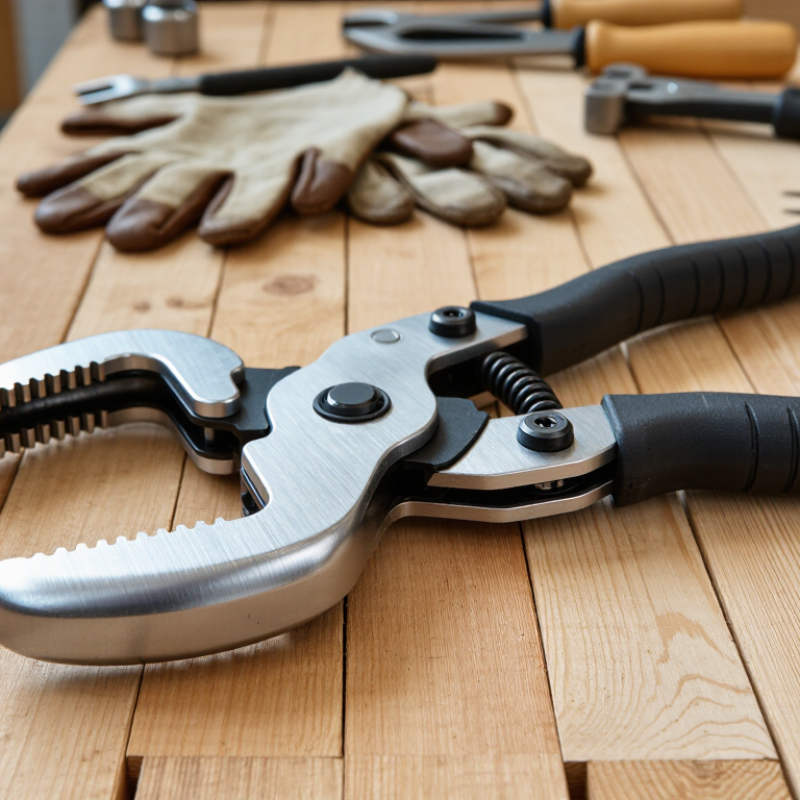
Understand the Types and Uses of Cattle Dehorning Forceps
5 Tips for Buying Cattle Dehorning Forceps
Understand the Types and Uses of Cattle Dehorning Forceps
Cattle dehorning forceps are not all designed for the same horn stage. Narrow calf forceps suit small, developing horn buds. Scoop-style tools remove larger buds with controlled pressure. Barnes-style forceps work better on established horns, but they demand stronger handling and greater restraint. Do not treat one tool as universal.
Check the jaw width, cutting edge, handle grip, and locking action before buying. The jaws should close evenly without crushing or slipping. Stainless steel construction helps cleaning, but it does not replace proper disinfection. A 2022 USDA Census report recorded about 89.3 million cattle and calves in the United States. That scale makes safe, repeatable equipment selection important. Small design flaws become costly across many animals.
The WOAH Terrestrial Animal Health Code emphasizes trained personnel, pain control, and welfare-focused handling. Forceps should match the animal’s age, horn size, and restraint system. A tool that feels strong in the hand may still be too large for a young calf. I have seen operators choose heavy forceps too early, then struggle with positioning. That is an avoidable mistake. Review the manufacturer’s size guidance, inspect blades after each use, and seek veterinary instruction when technique is uncertain. A cheaper tool may seem practical, yet poor alignment can increase tissue damage and recovery time.
Choose a Size and Design Suited to the Animal
For cattle dehorning forceps, size and design should match the animal, not just the buyer’s preference. A compact tool may suit a young calf, while larger animals need jaws that reach and grip the horn base securely. Check the manufacturer’s guidance for the tool’s intended size range. A poor fit can make controlled handling harder.
Tip: Compare jaw width, opening range, and handle length with the animal’s size and horn shape. The jaws should sit firmly without awkward repositioning. Handles need to give the operator a stable grip, even with gloves. Small details matter.
Design also affects visibility and control. Some forceps have a shape that helps keep the working area in view; others may feel easier to maneuver in tight spaces. Inspect the hinge and cutting edges for smooth movement and signs of wear. A stiff hinge can make precise placement difficult. I have seen buyers focus on overall length and overlook jaw alignment, which is easy to regret.
Choose a tool that feels balanced in your hands, then confirm it suits the animal before use. If the fit is uncertain, ask a veterinarian or experienced livestock professional to assess the equipment and handling plan.
Assess Blade Quality, Materials, and Construction
When buying cattle dehorning forceps, inspect the blades closely rather than relying on a polished finish. The cutting edges should meet evenly, with no visible gaps, dents, or rough spots. Open and close the tool slowly. It should move smoothly, without wobbling or catching. A stiff hinge may loosen with use; too much play can make alignment unreliable. Small details matter.
Material and construction affect durability in daily handling. Stainless steel can resist corrosion, but grade and finish still matter, especially where moisture and cleaning are routine. Ask the supplier for material details and care guidance. Check that the handles feel balanced and that the joint is securely assembled. Look for smooth surfaces and firm fasteners, not sharp burrs or loose parts. They are easy to miss.
Forceps should suit the animal size and the work being performed. Compare jaw width and blade shape with advice from a veterinarian or experienced livestock professional; one size may not fit every situation. If possible, handle the tool before purchasing. Notice whether you can control it without straining your grip. Specifications help, but they do not tell the whole story. I would not judge quality by weight alone. A heavier tool can feel substantial, yet still have poorly aligned blades or a rough hinge. Inspect, ask, and be willing to reconsider.
Check Handling, Safety Features, and Ease of Maintenance
When comparing cattle dehorning forceps, hold each tool with clean, dry hands and check whether the handles sit naturally in your grip. Test the grip. A textured surface can help when gloves are damp, while rounded edges may reduce pressure points during repeated use. Open and close the jaws slowly; they should move evenly, without a sudden catch or sideways wobble.
Look closely at the pivot, jaw alignment, and any locking feature. If fitted, a secure lock can keep the tool closed during storage, but it should release without forcing your fingers near the cutting area. Check for cracks, loose fasteners, and exposed sharp edges before purchase. If the tool feels heavy after a few movements, that matters; fatigue can make controlled handling harder. Use should be limited to trained handlers working with suitable animal restraint and veterinary guidance, including pain management.
Maintenance should be practical, not an afterthought. Ask whether the tool can be cleaned fully around the hinge and jaws, and whether its materials tolerate the cleaning method recommended by its maker. After each use, remove visible debris, clean and dry the instrument, then inspect the pivot for rust or stiffness. Check the pivot. Light lubrication may help, but too much oil can collect dirt. I would also check that replacement parts and clear care instructions are available; sellers do not always explain this well.
5 Tips for Buying Cattle Dehorning Forceps — Check Handling, Safety Features, and Ease of Maintenance
| Buying tip |
What to check |
Why it matters |
Practical evaluation |
| 1. Match the tool to the animal and job |
Confirm the forceps’ intended use and working capacity with the seller or product instructions. Consider the animals’ age and horn size. |
Forceps designed for one size or type of task may not be appropriate for another. Dehorning and disbudding are different procedures. |
Ask for the specified application and any size guidance; do not rely on the tool’s appearance alone. |
| 2. Assess grip and handling |
Check handle length, grip shape, surface texture, balance, and whether the handles open and close smoothly. |
A secure, controllable grip can help reduce slipping and hand strain during use. |
If possible, hold the tool with work gloves and test its movement. Look for a comfortable grip without sharp edges or binding. |
| 3. Inspect cutting edges and alignment |
Look for smooth, undamaged edges and jaws that meet evenly. Check the pivot for looseness, excessive play, or stiffness. |
Misaligned or damaged working surfaces can impair tool performance and may require servicing before use. |
Close the empty tool gently and inspect the contact points. Avoid tools with visible cracks, chips, or uneven contact. |
| 4. Review safety features and condition |
Check for a secure storage latch or other fitted safeguards, if provided, and inspect the handles, fasteners, and pivot for damage. |
A working latch can help keep the jaws closed during storage or transport. Sound construction helps the tool operate as intended. |
Make sure any latch engages and releases reliably without obstructing normal operation. Follow the tool’s safety instructions. |
| 5. Check cleaning and maintenance requirements |
Review the care instructions, including cleaning, disinfection, drying, lubrication, sharpening, and repair guidance. |
Regular care helps limit corrosion and wear. The correct process depends on the tool’s materials and construction. |
Choose a tool with clear care instructions and accessible service or replacement options. Clean and maintain it as directed by the manufacturer. |
Note: Follow local animal-welfare requirements and seek guidance from a qualified veterinarian or trained livestock professional on appropriate procedures and pain management.
Compare Suppliers, Warranties, and Overall Value
When buying cattle dehorning forceps, compare the supplier before comparing the price. The USDA APHIS NAHMS Dairy 2014 report found dehorning on about 94% of surveyed dairy operations. That frequency makes tool reliability a daily management issue, not a minor purchase detail. Ask suppliers for jaw alignment tolerances, steel specifications, corrosion testing, and cleaning instructions. A forceps should close evenly, cut cleanly, and remain comfortable in a gloved hand.
Warranty terms reveal more than advertising claims. Check coverage length, excluded damage, return shipping, replacement parts, and response times. A two-year warranty may be weak if misalignment is excluded. The European Food Safety Authority has repeatedly identified dehorning as a painful procedure and supports appropriate pain control. Therefore, choose suppliers that provide clear handling guidance and compatible equipment information. Their documentation should support trained, welfare-focused use.
Overall value includes purchase cost, downtime, sharpening, and service access. In practical use, a slightly higher-priced tool may cost less when it avoids repeated cuts or delayed work. Compare at least three written quotations. Record delivery dates and inspection results. Small details matter. I would still question supplier claims based only on polished specifications. Independent test reports, user feedback, and traceable quality records are stronger evidence. A useful checklist is simple: price, warranty, service, replacement availability, and verified performance.
5 Tips for Buying Cattle Dehorning Forceps: Evaluation Priorities
This illustrative purchasing framework assigns practical evaluation weights to the factors that most affect cattle dehorning forceps selection. Prioritize cutting performance, jaw alignment, and steel durability, then compare warranty coverage, total cost, and supplier support to judge overall value.
Conclusion
Choosing the right Cattle Dehorning Forceps is essential for safe, efficient, and humane livestock care. Start by understanding the different types of forceps and the situations each design is intended to address. Select a size that matches the animal’s age, horn development, and physical strength, while considering the tool’s overall shape and leverage. High-quality blades should be sharp, durable, and resistant to wear, while the frame and joints should be made from strong, corrosion-resistant materials that can withstand repeated use.
Comfort and control are equally important. Look for handles that provide a secure grip, smooth movement, and safety features that reduce the risk of accidental injury. The forceps should also be easy to clean, disinfect, and maintain between uses. Finally, compare suppliers based on product consistency, warranty coverage, customer support, and total value rather than price alone. A well-designed, dependable tool can improve handling efficiency, reduce maintenance costs, and support better animal welfare when used by trained personnel according to appropriate veterinary and husbandry guidance.