Knowledge & Industry Insights

Surgical Instruments Blog & Medical Guides

Technical specifications, care & sterilization protocols, and manufacturing insights from our Sialkot facility.

ISO 13485 Standards

Precision Manufacturing & Quality Control

In-depth articles covering German-grade steel grades, DIN compliance, and CE regulatory standards.

Clinical Application

Dental & Surgical Tool Usage Guides

Professional insights for surgeons, dentists, and medical procurement specialists worldwide.

0%

Choosing Orthopedic Bone Rongeurs is not simply a matter of picking the sharpest instrument on the tray. Selection should reflect the procedure, access required, bone characteristics, and the surgeon’s preferred technique. A compact jaw may help in a confined field, while a larger bite can remove more bone per squeeze. Yet size alone does not determine control. Handle balance, jaw geometry, and cutting action matter. Fit matters. The instrument should feel stable in a gloved hand, with smooth articulation and clear visibility at the working end.

Different designs suit different tasks, and product descriptions can make distinctions seem clearer than they are in practice. Check jaw shape, bite capacity, finish, and compatibility with the facility’s validated cleaning and sterilization process. Follow the manufacturer’s instructions and local device policies. Before use, trained staff should inspect alignment, movement, and signs of wear or corrosion. A stiff joint or uneven bite deserves attention, not guesswork. No single rongeur is best for every case. That is worth remembering. Consider the surgeon’s experience, intended application, and available support when comparing options. If specifications are unclear, ask the manufacturer or a qualified clinical specialist rather than inferring performance from appearance. Small details count.

How to Choose Orthopedic Bone Rongeurs for Your Needs?

Understanding the Purpose and Design of Orthopedic Bone Rongeurs

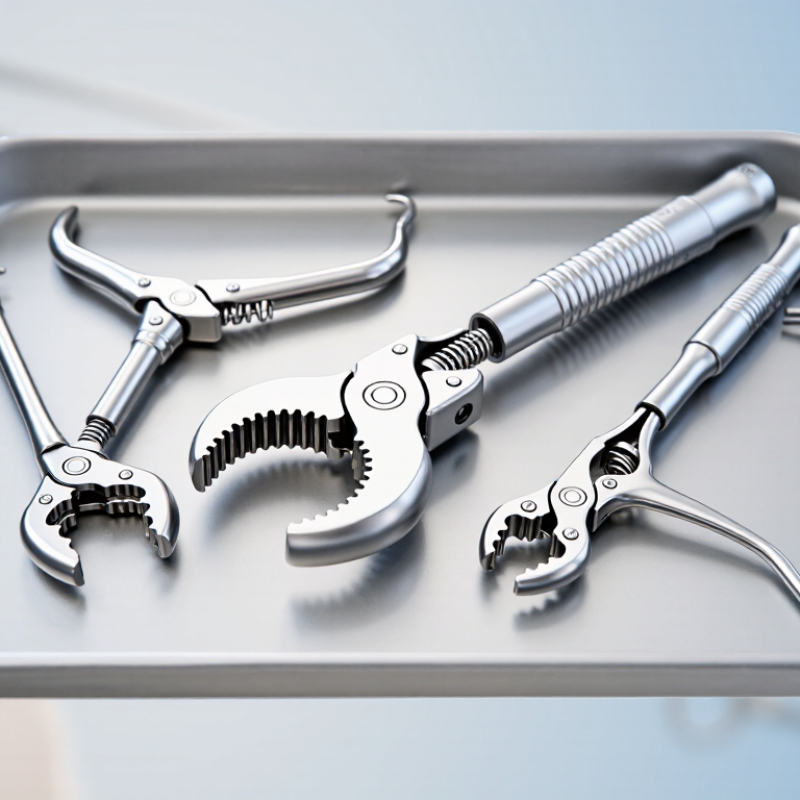
Orthopedic bone rongeurs are hand instruments designed to remove small pieces of bone or trim sharp edges. Their jaws meet with a controlled cutting action, allowing tissue to be cleared in confined areas. The purpose is precise removal, not broad reshaping. Small details matter.

Design affects access and control. A straight rongeur may suit open, direct access, while an angled or curved jaw can reach around nearby structures. Jaw size and opening width influence how much bone can be taken with each bite. A narrow profile may improve visibility, but it can feel less stable in some hands. Access matters.

Handle shape, shaft length, and joint movement also affect handling during a procedure. A smooth, consistent action can support controlled use; looseness or resistance may warrant inspection before use. Materials and construction should suit the facility’s cleaning and sterilization procedures. A tidy size chart can still mislead: actual access in the operative field is less tidy. Selection depends on the anatomy, planned task, and clinician preference, so product specifications should be checked alongside established facility protocols.

Identifying the Procedure and Bone-Removal Requirements

Identifying the Procedure and Bone-Removal Requirements

Choose a rongeur around the planned resection, not simply the easiest handle to grip. For a narrow corridor, a slim profile and suitable shaft length can improve access; a larger jaw may remove bone faster but leave less room for controlled bites. Small bites matter. Match the jaw shape and bite size to the target bone, the approach, and the amount that must be removed. The World Health Organization estimates that 1.71 billion people live with musculoskeletal conditions worldwide, but this broad figure does not predict which instrument a particular procedure requires (WHO, 2022).

Clarify whether the task involves trimming a small edge, enlarging an opening, or removing bone near delicate structures. Consider bone density, visibility, working depth, and how the removed material will be handled. AHRQ’s HCUP report recorded about 413,000 spinal fusion procedures in U.S. hospitals in 2008, a 137% rise from 1998; these figures show procedural volume, not rongeur use or selection (AHRQ, HCUP Statistical Brief #170). That distinction matters. Before use, clinicians should assess the instrument’s fit and follow its instructions for use. A jaw that feels controllable on the tray may behave differently at depth. Reassess access and bite size during the procedure; the initial plan may not be perfect.

How to Choose Orthopedic Bone Rongeurs for Your Needs?

Identifying the Procedure and Bone-Removal Requirements

The relative extent scale is a qualitative planning guide, not a measured clinical dataset or a universal instrument recommendation. Match rongeur jaw size, bite capacity, and profile to the bone involved, required access, and degree of control; follow procedure-specific technique and institutional guidance.

Comparing Rongeur Types, Jaw Shapes, and Sizes

Orthopedic bone rongeurs vary by cutting action, jaw shape, and bite size. Single-action models have a straightforward closing motion. Double-action designs use a compound mechanism, which may feel different during repeated bites. The best choice depends on the task, access, and the clinician’s handling preference. Fit matters.

Straight jaws suit direct access and a clear line of approach. Angled or curved jaws can help reach around an edge when nearby anatomy limits the approach. Cup-shaped jaws remove small bites of bone; their depth and width affect how much tissue each closure can capture. Smaller cups allow more controlled trimming, while larger cups may remove more bone per bite. That trade-off is not always obvious in a product photo.

Compare jaw dimensions with the intended working space, not just the instrument’s overall length. Handle comfort and visibility matter during precise work, too. A size chart helps, but it cannot show every hand position or surgical exposure. That part takes judgment. Check the device’s instructions for use, compatibility, and reprocessing requirements, and consider feedback from experienced users. A familiar size may feel comfortable yet limit access in a different setting.

Evaluating Materials, Ergonomics, and Sterilization Needs

Choosing orthopedic bone rongeurs means weighing material, hand feel, and reprocessing demands together. Stainless steel is common, but grades and finishes vary. Look for smooth surfaces and well-finished joints; rough spots can make cleaning harder. A polished instrument is not automatically a durable one. Check jaw alignment and movement, too.

Ergonomics become clear after repeated use, not from a quick glance. Hold the rongeur as you would during a procedure, and notice whether the handle feels secure with gloved hands. The spring should open smoothly without forcing your fingers. Jaw size and cutting action should suit the intended task. It is easy to overvalue a light grip; comfort still needs to be balanced with control.

Tips: Confirm that the instrument can tolerate your facility’s validated sterilization process. Follow its instructions for use, rather than assuming every rongeur handles the same cycle. Inspect the hinge, spring, and cutting edges after cleaning. If movement feels rough or the jaws no longer meet evenly, set it aside for assessment. I would not judge reprocessing suitability by appearance alone. That detail is easy to miss.

Matching Instrument Features to Surgical Workflow and Safety Needs

How to Choose Orthopedic Bone Rongeurs for Your Needs?

Matching Instrument Features to Surgical Workflow and Safety Needs

Choose a rongeur by matching its jaw shape, bite size, and shaft length to the surgical approach. A compact jaw can help in confined spaces; a longer shaft may improve access through deeper exposure. The handle should allow controlled, repeatable bites without excessive hand strain. Small details matter. Consider whether a single- or double-action mechanism best suits the bone and the surgeon’s technique. These choices are practical, not universal. Confirm them with the surgical team and local instrument protocols.

Workflow and safety depend on more than the tool itself. The 2009 WHO Surgical Safety Checklist study, published in the New England Journal of Medicine, reported complications falling from 11.0% to 7.0% across eight hospitals after checklist implementation. It did not test rongeurs, but it highlights the value of coordinated checks. Confirm the instrument is intact, moves smoothly, and has clean, undamaged jaws before use. Ensure the selected size is available when needed, and follow validated cleaning and sterilization procedures.

Tips: Before the case, compare jaw width with the intended working area and check the handle in a gloved hand. Verify the instrument count and condition during the team check. A useful selection can still feel awkward in practice; note that feedback and reassess the setup.

FAQS

What is the purpose of an orthopedic bone rongeur?

It removes small pieces of bone or trims sharp edges. It is designed for precise removal, not broad reshaping. Small bites matter.

How does jaw shape affect access?

Straight jaws may suit direct access, while angled or curved jaws can reach around nearby structures. The best fit depends on the anatomy and approach.

What should guide the choice of jaw size?

Match the jaw and bite size to the target bone and planned task. Larger jaws may remove more bone per bite, but leave less room for control.

Why do shaft length and profile matter?

A slim profile may help in a narrow corridor, while shaft length affects reach. A size chart cannot show every awkward angle.

What handling features are worth checking?

Handle shape, joint movement, and opening width can affect control. A narrow instrument may improve visibility but feel less stable in some hands.

What should be checked before use?

Check for smooth, consistent movement. Looseness or resistance may warrant inspection, and cleaning and sterilization must follow facility procedures and instrument instructions.

Does a planned approach guarantee the instrument will fit?

No. Access can feel different at depth, so clinicians may need to reassess position and bite size. The first plan may not be perfect.

What factors affect bone-removal requirements?

Consider bone density, visibility, working depth, nearby delicate structures, and how removed material will be handled. Small details matter.

Conclusion

Choosing Orthopedic Bone Rongeurs starts with understanding their purpose: these instruments remove or trim bone in a controlled way. Consider the procedure, the bone’s location and density, and how much bone needs to be removed. These factors help determine the appropriate rongeur type, jaw shape, and size, supporting precision while providing suitable access to the working area.

Next, evaluate construction and practical handling. Durable materials, comfortable ergonomics, and compatibility with the facility’s sterilization process can influence reliability and ease of use. Also consider how the instrument fits into the surgical workflow, including visibility, maneuverability, and safe handling. Matching these features to procedural requirements helps select a rongeur that is practical, well suited to the task, and consistent with established clinical protocols.

Rosalie

Rosalie

Rosalie is a seasoned marketing professional dedicated to helping businesses understand changing market needs and make more informed decisions. With a strong command of the company’s products, services, and customer-focused solutions, she brings together strategic insight, clear communication, and......
WhatsApp